
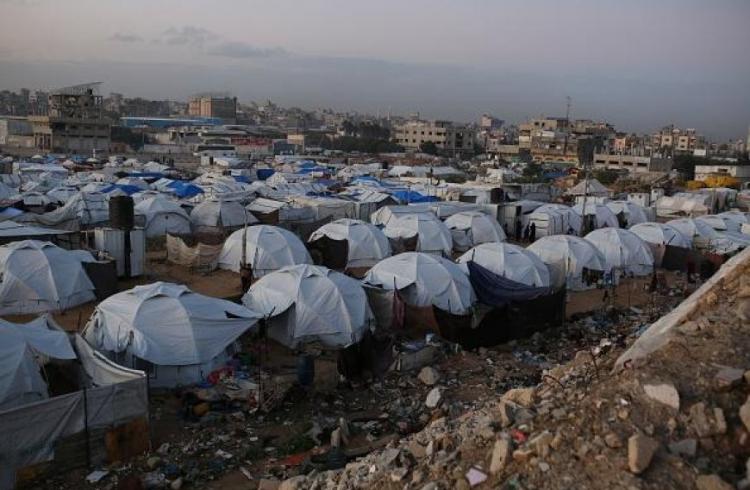
Despite the broad consensus on it, estimates indicate that the newly formed Palestinian National Committee for the administration of Gaza, which intends to head to Gaza and start its work, is likely to face restrictions and some attempts to obstruct its activities in Gaza.
The ongoing state of war, the persistence of open fronts (Gaza, West Bank, Lebanon and Syria), the protentional opening of further fronts (Iran and Yemen) and the implementation of the forced displacement plans, the new administration might encounter obstacles that would constraint its work or even fail it entirely. These methods may include:
- Using the issue of resistance weapons, especially tunnels and light weapons, a pretext against any effort to restore normal life in Gaza.
- Manipulating the reconstruction process through procrastination, delays, and limiting it to specific areas and new schemes, in order to prolong the suffering of civilians as long as possible.
- Maintaining the blockade in various forms and shapes, even if partially eased, despite allowing a limited increase in the entry of basic necessities into the Strip.
- Deploying the Rafah crossing as a pressure tool through indirect control, and as a gateway to implement forced displacement plans by facilitating exists while obstructing entry.
- Refusing to withdraw east of the Yellow Line under false justification, and potentially entrenching it a new de facto border in foreseeable future.
Despite these challenges, the new committee for administering Gaza possesses reasonable capacities for short-term survival and continuity, particularly in addressing reconstruction and alleviating the suffering of the population.
The Israeli occupation appears to be the primary actor determined to obstruct and sabotage the committee’s work, possessing the necessary tools to do so. Therefore, all Palestinian factions and forces in Gaza are expected to unite in supporting the committee, both politically and on the ground.